
Introduction
Good character is one of the greatest qualities a Muslim can possess. While acts of worship such as prayer, fasting, and charity are essential pillars of Islam, good character gives life to these acts and reflects the true beauty of the faith in everyday behavior.
Islam places immense importance on how believers treat others. Kindness, honesty, patience, humility, and respect are not simply recommended qualities — they are core characteristics of a strong and sincere Muslim. Developing good character strengthens faith, improves relationships, and brings a person genuinely closer to Allah.
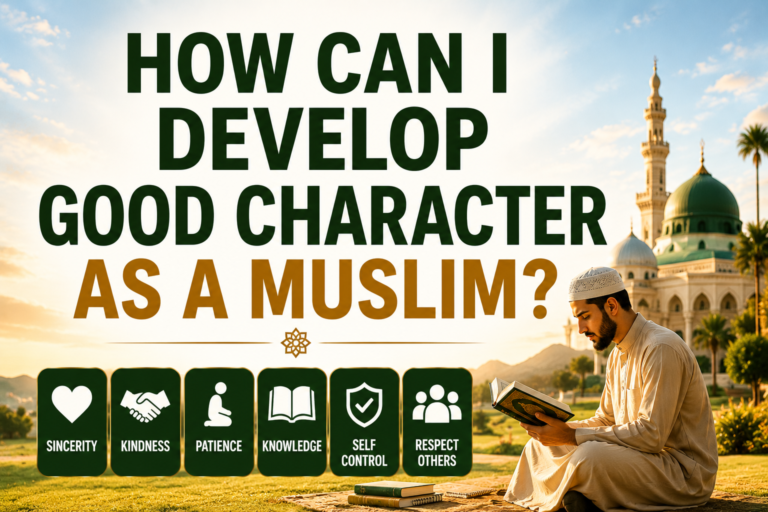
If you have ever asked yourself, “How can I develop good character as a Muslim?” — the Quran and Sunnah provide clear, timeless guidance that can transform your daily life from the inside out.
What Does Good Character Mean in Islam?
Good character in Islam is known as Husn al-Khuluq — noble manners, dignified conduct, and treating others with consistent respect according to Islamic values.
A person with good character speaks kindly, treats others fairly, controls their anger, keeps their promises, shows patience during hardship, forgives mistakes, and remains humble in all circumstances.
Importantly, good character is not limited to public behavior. It must be reflected in how a Muslim treats their family at home, their colleagues at work, their neighbors in the community, and even complete strangers. True Islamic character is consistent — not performed only when others are watching.
Why Good Character Is Central to Islam
Islam teaches that good character is inseparable from faith. A believer’s manners and behavior directly reflect the strength of their relationship with Allah.
The Prophet Muhammad ﷺ said:
“The most complete of the believers in faith are those with the best character.” (Sunan Abu Dawud)
This hadith makes clear that character is not separate from faith — it is an expression of it. People are far more likely to be inspired by Islam when they witness honesty, compassion, and genuine kindness in the daily lives of Muslims.
Good character builds stronger relationships, creates trust within communities, reduces conflict, strengthens personal faith, and earns the pleasure of Allah. A Muslim who develops good character benefits themselves and positively influences every person around them.
The Prophet Muhammad ﷺ: The Perfect Example
The Prophet Muhammad ﷺ demonstrated the highest possible level of character in every aspect of life. He treated people with patience, mercy, and genuine respect — even those who treated him unfairly or with hostility.
His honesty earned him the title of Al-Amin (The Trustworthy) long before he received prophethood. Whether dealing with family, friends, children, opponents, or strangers, the Prophet ﷺ consistently displayed excellent manners in every situation.
Allah describes him in the Quran:
“And indeed, you are of a great moral character.” (Surah Al-Qalam, 68:4)
His life is the perfect and complete model for every Muslim seeking to improve their character and live according to Islamic values.
Practical Ways to Develop Good Character as a Muslim
Strengthen Your Relationship with Allah
Good character begins with a strong and sincere connection to Allah. Regular prayer, consistent Quran recitation, and daily remembrance of Allah soften the heart and naturally encourage better behavior toward others.
Working with a qualified Quran teacher can help you build this foundation — understanding the Quran’s guidance on character development brings its teachings to life in a practical and meaningful way.
When faith grows stronger, good character follows naturally.
Control Your Anger
Anger is one of the greatest obstacles to good character. Many broken relationships and deeply regretted decisions begin with a single moment of uncontrolled emotion.
Islam teaches believers to remain calm, seek refuge in Allah when anger arises, and respond with patience rather than reacting impulsively. The Prophet ﷺ specifically praised those who control themselves during anger as the truly strong among believers.
Speak With Kindness and Purpose
Words carry immense power — they can heal or cause lasting harm. Islam encourages Muslims to speak with kindness, honesty, and deliberate respect in every conversation.
Before speaking, consider whether your words will genuinely benefit others. Avoiding harsh language, insults, and unnecessary arguments is itself an act of worship and a sign of strong character.
Practice Patience in All Situations
Patience (Sabr) is a cornerstone of Islamic character. Every person faces challenges, disappointments, loss, and difficult situations throughout life.
Responding with patience rather than frustration demonstrates genuine emotional maturity, faith in Allah’s wisdom, and the kind of inner strength Islam consistently honors and rewards.
Be Honest in Every Matter
Honesty builds trust and forms the foundation of meaningful relationships. Muslims should strive to be truthful in their words, their actions, and all their dealings with others — whether at home, at school, in business, or in any other setting.
Dishonesty, even in small matters, gradually weakens character and erodes the trust of those around us.
Show Respect to Every Person
Respect is a fundamental part of Islamic manners. Muslims are clearly encouraged in both the Quran and Sunnah to treat parents, elders, teachers, neighbors, and community members with consistent dignity and kindness.
Showing genuine respect creates harmony, strengthens social bonds, and reflects the mercy and justice that Islam places at the heart of human relationships.
Learn to Forgive Generously
Everyone makes mistakes — including ourselves. Holding onto grudges creates lasting bitterness and emotional heaviness that ultimately harms the person carrying it most.
Forgiveness allows people to move forward with peace and reflects the very mercy that Allah shows to His creation every single day.
Avoid Backbiting and Gossip
Backbiting (gheebah) and gossip damage reputations, destroy trust, and quietly harm entire communities.
A Muslim with genuinely good character protects the dignity of others and consistently avoids speaking negatively about people in their absence — recognizing that Allah hears every word spoken in private.
Secondary Keywords: Character Traits to Actively Develop
Beyond the practical steps above, developing good character as a Muslim means actively cultivating specific Islamic qualities in daily life:
Humility (Tawadu): Recognizing that all blessings come from Allah and treating every person with equal dignity regardless of their status or background.
Generosity (Karam): Giving of your time, resources, and support to those around you without expectation of return.
Gratitude (Shukr): Acknowledging Allah’s blessings consistently and expressing appreciation to the people who benefit you.
Trustworthiness (Amanah): Being reliable, keeping commitments, and honoring responsibilities in every area of life.
These qualities, when practiced with sincerity, gradually shape a Muslim’s entire character and way of engaging with the world.
Common Habits That Weaken Good Character
Developing good character also requires honestly identifying and correcting the habits that damage it.
These include arrogance, jealousy, backbiting, dishonesty, excessive anger, breaking promises, and speaking harshly to those closest to us. Recognizing these patterns — especially the subtle ones — is an essential and often overlooked step in genuine personal growth.
Building Good Character at Home and in Society
Character development begins at home, where family members see a person’s truest behavior more clearly than anyone else. A Muslim strives to treat parents with consistent kindness, show patience with children, respect their spouse, and speak gently even during disagreements.
In society, simple actions — helping neighbors, greeting others warmly, supporting those in need, and treating people fairly in all dealings — create lasting positive impact. Good character allows Muslims to become genuine examples within their communities and a source of inspiration for those around them.
How Good Character and Faith Grow Together
Faith and character are not separate — they grow together. As a Muslim improves their manners and behavior, they naturally become more mindful of Allah and more committed to living according to His guidance.
Good character encourages greater self-control, increased patience, stronger and more trusting relationships, clearer decision-making, and ultimately a more peaceful and fulfilled life.
Developing good character is not a single achievement. It is a lifelong journey of sincere self-improvement, consistent effort, and regular return to the guidance of the Quran and Sunnah.
Conclusion
Developing good character as a Muslim requires genuine effort, sincerity, and a real commitment to following the teachings of Islam. By strengthening your relationship with Allah, controlling anger, speaking kindly, practicing patience, showing respect, forgiving others, and correcting harmful habits — you gradually become a better version of yourself in every role you hold.
The Quran and Sunnah provide timeless, practical guidance for building strong character and living a life that benefits both yourself and everyone around you.
Good character is one of the most powerful forms of worship and one of the clearest signs of a strong, sincere, and mature faith.
To strengthen your understanding of Islamic values and Quranic teachings, consider taking a free trial Quran class with a qualified teacher — and begin building the foundation of character that lasts a lifetime.