
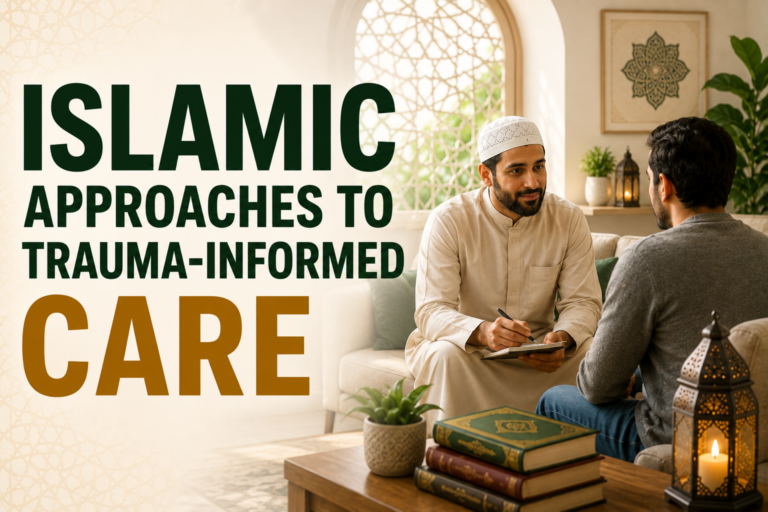
Islamic Approaches to Trauma-Informed Care
Trauma can affect a person’s emotions, thoughts, relationships, and daily life. It may result from the loss of a loved one, abuse, accidents, illness, conflict, or other deeply distressing experiences. Islam recognizes that people face hardships and encourages compassion, patience, and seeking help during difficult times. Trauma-informed care respects a person’s experiences while providing support that promotes healing and recovery.
From an Islamic perspective, trauma-informed care combines kindness, empathy, and practical support with the guidance of the Qur’an and Sunnah. Along with professional care, many Muslims find comfort by strengthening their connection with Allah through prayer, remembrance, and learning the Qur’an. Studying with a qualified Online Quran Teacher can help individuals better understand the Qur’an’s teachings on patience, hope, and mercy.
What Is Trauma-Informed Care?
Trauma-informed care is an approach that recognizes how traumatic experiences can affect a person’s mental, emotional, and physical well-being. Instead of asking, “What’s wrong with you?” it asks, “What happened to you?” This compassionate approach helps individuals feel safe, respected, and understood while they work toward healing.
For Muslims, trauma-informed care can also include spiritual support through authentic Islamic teachings without replacing professional medical or psychological treatment when it is needed.
How Does Islam View Trauma?
Islam acknowledges that hardships are part of life and reminds believers that every difficulty has wisdom and purpose known to Allah. The Qur’an and Sunnah encourage Muslims to remain patient (Sabr), place their trust in Allah (Tawakkul), and seek support from both Allah and trusted people.
Islam also teaches believers to show mercy toward those who are struggling. Offering emotional support, listening without judgment, and helping others with kindness reflects the character encouraged by Prophet Muhammad ﷺ.
Islamic Principles That Support Healing
Several Islamic values can help support emotional recovery after trauma.
Sabr (Patience): Remaining patient during hardship while continuing to seek appropriate help.
Tawakkul (Trust in Allah): Making every reasonable effort while trusting Allah’s wisdom and mercy.
Rahmah (Mercy): Showing compassion to ourselves and others during the healing process.
Hope in Allah: Islam encourages believers never to lose hope in Allah’s mercy, even during the most difficult times.
Many Muslims also choose to Learn Quran Online to strengthen their understanding of these timeless teachings and apply them in everyday life.
Practical Ways Islam Supports Trauma Recovery
Healing from trauma often takes time, and every person’s experience is different. Alongside professional care, Islam encourages habits that can provide spiritual strength and emotional comfort.
Some helpful practices include:
Performing the five daily prayers consistently.
Making dua and remembering Allah through dhikr.
Reading and reflecting on the Qur’an.
Seeking support from trusted family members, friends, or qualified professionals.
Maintaining healthy routines, including proper rest and self-care.
These practices do not replace professional treatment but can support emotional healing and strengthen a person’s relationship with Allah.
When Should You Seek Professional Help?
While faith provides comfort and hope, some traumatic experiences require professional support. If someone experiences ongoing anxiety, depression, panic attacks, nightmares, emotional numbness, or difficulty carrying out daily activities after a traumatic event, they should seek help from a licensed mental health professional.
Islam encourages Muslims to protect their physical and mental health. Seeking counseling or medical treatment is a responsible step and can work alongside Islamic practices to support long-term recovery.
Building Resilience Through the Qur’an
The Qur’an reminds believers that Allah is Most Merciful and always aware of their struggles. Reflecting on its teachings can strengthen patience, hope, and trust during difficult times. Many Muslims continue building this connection by joining Quran Classes Online, where they improve their recitation and understanding of the Qur’an. Families who are new to Qur’anic learning often begin with Noorani Qaida Online, creating a strong foundation for lifelong Islamic education.
Conclusion
Islamic approaches to trauma-informed care combine compassion, practical support, and the timeless guidance of the Qur’an and Sunnah. By treating people with kindness, respecting their experiences, and encouraging both faith and professional care, Muslims can support healing in a balanced and meaningful way.
Recovery from trauma is often gradual, but no one has to face it alone. Along with seeking appropriate professional help, strengthening your relationship with Allah through the Qur’an can provide lasting comfort and hope. Learning from a qualified Online Quran Teacher helps individuals and families deepen their understanding of Islam while building faith, resilience, and inner peace.