
Quran Teacher Oman

Urdu and English Speaking Hafiz Teachers for Families in Muscat, Sohar and Salalah
In a Ruwi flat or a villa in Al Khuwair, the evening is often split between school homework and one more family task: finding a Quran Teacher Oman parents can trust. Oman’s National Centre for Statistics and Information counted 1.8 million expatriates at the end of 2024, about 60% of everyone living in the Sultanate. More than 800,000 of them are Pakistani or Indian. Quran Pak Teacher was built for exactly these families, with Lahore based Hafiz and Hafiza teachers who teach in Urdu or English.
A Quran Teacher in Oman Who Is Only One Hour Away
Lahore is one hour ahead of Muscat, and neither country changes its clocks. A 4pm class in Seeb is 5pm in Lahore, and a 9pm class in Sohar is 10pm there. Our teachers cover every hour in shifts, so after school and after Maghrib slots are both easy to book.
Each class lasts 30 minutes and runs Monday to Friday. That schedule needs one word of planning in Oman, where the school week runs Sunday to Thursday. There is no class on Sunday, and the Friday class can sit after Jumuah prayer and lunch, when most children are home and rested. The teacher and the time stay fixed all month.
What We Teach and What Belongs With a Local Teacher
Oman recites Hafs from Asim, the same recitation we teach, so reading and Tajweed lessons match what your child hears at the Sultan Qaboos Grand Mosque in Bausher.
Most Omani citizens follow the Ibadi school. Our teachers were trained in the Hanafi school. For Tafseer or fiqh taught from the Ibadi tradition, or lessons explained in Arabic, a local teacher is the better choice, and the trial is where we will say so. The same is true for Bangladeshi families who want explanation in Bangla, since we teach in Urdu and English only.
For Pakistani and Indian families, the fit is close. A child at Pakistan School Muscat or one of the Indian schools in Darsait, Wadi Kabir or Salalah hears the same Urdu at the Quran lesson that they hear at home.
Courses for Children and Adults in Oman
Our online Quran academy lets a student move from one course to the next without changing teacher.
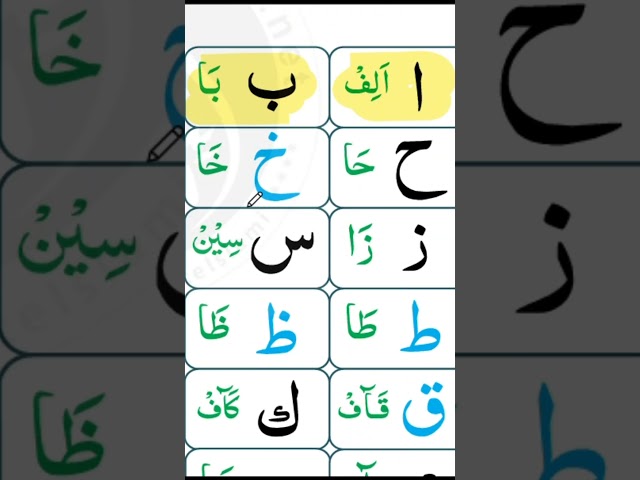
Noorani Qaida online lessons suit a four year old in Seeb as well as a father in Sohar who never learned. Each lesson adds a few letters and joins them into short words.
Quran Reading follows next. Students read from the mushaf while the teacher corrects makharij and ghunnah as they go, so it is the simplest way to learn Quran online with Tajweed, even for adults returning after many years. Most read fluently within 6 to 12 months.
Hifz runs on a fixed daily rhythm, fresh ayat first and then revision of this week and older ajza, for children and adults alike.
Tarjuma translates every word of the ayat into Urdu or English, so the ayat recited in Maghrib make sense.
Tafseer is Quran tafseer online for teens and adults, taken surah by surah.
Learn Urdu lets children born in Oman read and write the language their grandparents speak.
Fees in Rials and How to Pay
A month of 20 classes costs $30. The Omani rial has been fixed to the US dollar since 1986, so that stays close to 11.5 rials every month, or under 600 baisa per class. Every currency is listed on our fee plan.
Payment is by Western Union. Many Pakistani and Indian parents in Oman already use it to send money home, through its app, its website or an exchange house counter.
The first three classes are free, so your child can try before you pay.
Female Quran Teacher for Mothers and Daughters in Oman
Many mothers in Muscat and Sohar have a free hour in the late morning, once children leave for school. A 10am lesson in Muscat is 11am in Lahore, well inside our daytime shift, so a mother can study with a female Quran teacher before the school run home. Girls can book a Hafiza for after school, and a mother and daughter can each keep their own teacher.
Only the student and the teacher join the call. Place the laptop in the family room and sit in on your child’s first few lessons.
Try Three Classes Before You Pay
Whether you live in Al Ghubrah, Sohar or Salalah, a Quran Teacher Oman families stay with is one children are happy to see every afternoon. Reach us through the contact page, or ask us any question about timings first.
Contact us on WhatsApp for trial classes in Oman
F.A.Q. GUIDE RELATED TO OUR ONLINE COURSES & CLASSES
Yes. Hafs from Asim is what Omani mosques recite and what most families keep at home.
Yes. Every teacher explains lessons in Urdu or English, whichever your child follows better.
No. Classes run Monday to Friday. Many families in Oman use Friday afternoon, after Jumuah, as their fifth class day.
Yes. Girls and women can book a Hafiza, including late morning slots for mothers.
Age 4 is a common start, with Noorani Qaida. Adults of any age can also begin from the first letter.
Yes. Adults take the same one to one classes, often early morning before work or late at night after it.
Use the Western Union app, website or an exchange house counter to send $30, then message us the tracking number.
The first three lessons are free. The teacher assesses reading level, recommends a course and teaches as normal, and you only pay if you choose to continue.
If You Have Any Questions, Trial Classes & Registration



FEEL FREE TO ASK
Where We Provide Online Quran Classes
With a coastline stretching along the Arabian Sea and a history of seafaring and trade, Oman has long connected cultures across the region, and today its families are choosing one-to-one online Quran classes that fit around school, work, and the pace of everyday life across the sultanate.