Quran Teacher Haiti
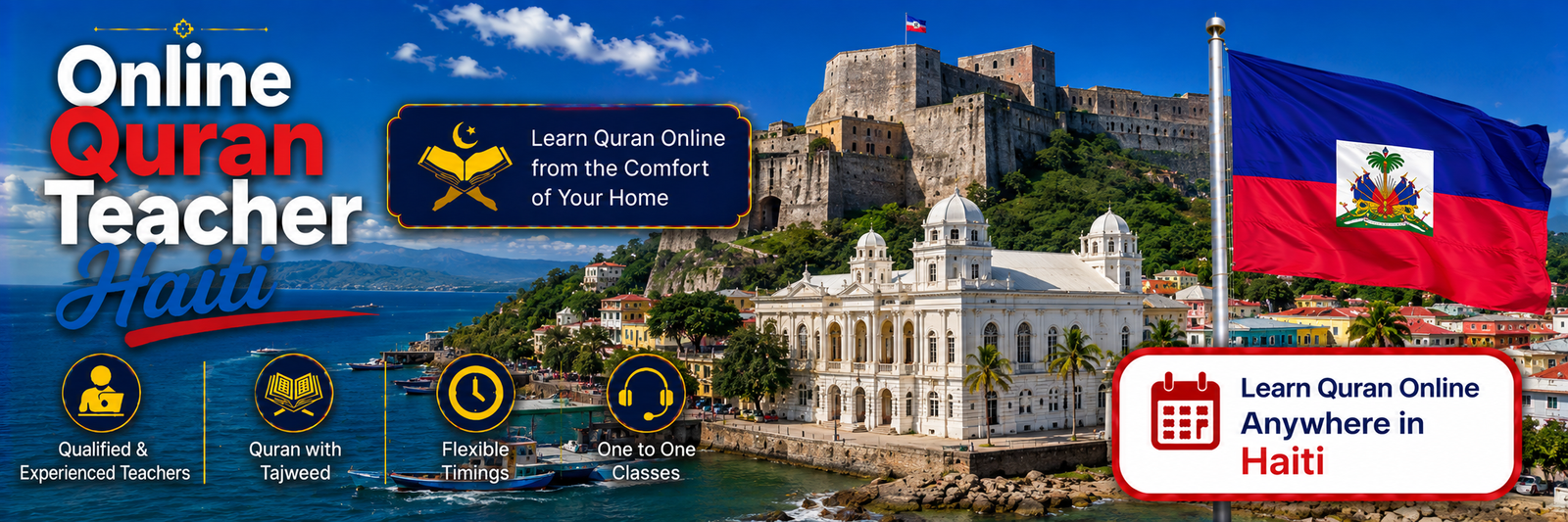
Finding a trusted Quran teacher in Haiti is not always easy. Haiti has a small but growing Muslim community, spread across Port au Prince, Delmas, Pétion Ville, Cap Haïtien, Port de Paix, and Gonaïves. Wikipedia and Arab News both report that Haiti’s Muslim population sits between four and five thousand people, in a country of roughly eight million. That means many families do not have a mosque or a qualified teacher within walking distance.
Online Quran classes in Haiti solve this problem. A parent in Pétion Ville or a student near Delmas Road, close to where the Mosquée Al Fatiha stands, can now join one on one Quran classes from a phone or laptop, without traveling across the city.
Why Families Across Haiti Choose Online Classes
Haiti’s Islamic centers, such as the community mosque in the Carrefour Feuilles hills above Port au Prince, the Islamic center in Cap Haïtien, and the smaller masjid in Miragoâne, serve their local neighborhoods well. But they cannot reach every town. Families in Gonaïves, Les Cayes, or Jacmel often have no nearby option at all.
Online Quran lessons remove that barrier. A child can learn the Noorani Qaida for beginners at home in the evening. An adult who works during the day can take a weekend Hifz class instead. Classes run on a simple video call, so a stable internet connection is really all a student needs.
One on One Quran Classes for Every Age
Every learner starts at a different point, so lessons should not be one size fits all. A good academy offers separate paths for different needs.
Kids benefit from short, focused sessions, usually thirty minutes, five days a week, with games and repetition built in to hold attention. This works well for weekend Hifz classes for kids too, since children can start memorization slowly on Saturdays and Sundays without disrupting their school week in Haiti.
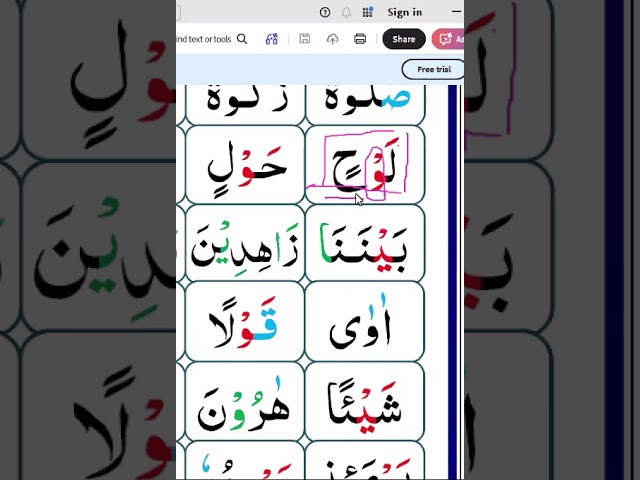
Adults who want to learn to read Quran from scratch usually begin with the Noorani Qaida, which teaches Arabic letters, sounds, and basic pronunciation before moving into full recitation.
Students who already read Arabic often move straight into a Quran memorization course or a Quran translation course, so they understand the meaning of what they recite, not just the sound of it.
Learning Quran with Correct Tajweed Rules
Tajweed means reciting the Quran the way it was revealed, with correct pronunciation, pauses, and letter sounds. Scholars trace these rules back to the Prophet Muhammad himself, and they have been preserved and taught continuously ever since, a chain of transmission recognized by institutions such as Al Azhar University in Cairo, one of the oldest centers of Islamic learning in the world.
A structured path usually looks like this. First, Noorani Qaida for beginners builds the foundation. Next, tajweed classes online teach the rules of pronunciation and rhythm. After that, students move to full Quran recitation, and later to memorization or translation, depending on their goals. This order matters. Skipping tajweed rules early on often leads to habits that are hard to correct later.
Female Quran Teacher Option for Sisters
Many mothers and sisters in Haiti prefer to learn from a female Quran teacher, especially for reasons of comfort and privacy at home. A qualified female tutor can teach Noorani Qaida, tajweed, and memorization to women and girls in a setting where they feel completely at ease, without needing to leave the house or arrange transport across Port au Prince traffic.
Tutors Who Speak the Language Haiti Students Understand
Haiti is a French and Haitian Creole speaking nation, so clear communication matters as much as religious knowledge. An English speaking Quran tutor works well for students who studied in English medium schools in Port au Prince or Pétion Ville. Urdu speaking Quran teachers are also available for families with a South Asian background living in Haiti. Either way, the goal is the same: a teacher who can explain each Arabic sound and each Tajweed rule in a language the student is fully comfortable with, not just recite and hope it is understood.
Our Courses
Every student in Haiti starts at a different level, so lessons are matched to where they are, not a fixed script. Some begin with the Arabic alphabet, while others already read Quran and want to move into memorization or meaning. Each course below can be taken on its own or combined into a full learning path, depending on the student’s goals and available time.
Noorani Qaida Online
This is the starting point for every beginner. Students learn Arabic letters, their correct shapes, and their sounds, one lesson at a time. It is designed for children and adults in Haiti who have never read Arabic before, and it builds the foundation needed for correct Quran recitation later.
Online Quran Reading with Tajweed
Once the Qaida is complete, students move into full Quran reading, guided by the rules of Tajweed. Each session focuses on pronunciation, letter articulation points, and proper pauses, so recitation sounds the way it was taught traditionally, not just memorized by ear.
Quran Memorization Course
This course, often called Hifz, helps students commit the Quran to memory in small, manageable portions. Daily repetition and regular revision keep earlier lessons fresh while new ones are added. Weekend Hifz classes are available for school going children in Port au Prince, Delmas, and Pétion Ville who cannot commit weekday afternoons.
Quran Translation Course
Reciting the Quran is only part of the journey. This course walks students through the meaning of each verse in clear, simple language, so they understand what they are reading, not only how to pronounce it. It suits older students and adults who already read Quran and now want to connect with its message.
Quran Tafseer Course
Tafseer goes a step further than translation. It explains the context behind each verse, the reasons certain verses were revealed, and how scholars have understood them over time. This course is best suited for students who have finished translation and want a deeper understanding of the Quran’s teachings.
Learn Urdu Online
Some families in Haiti with South Asian roots want their children to read and speak Urdu alongside their Quran studies. This course covers Urdu reading, writing, and basic conversation, taught by tutors who can explain each lesson clearly from the very first class.
Each course starts with a free trial lesson, so a student in Haiti can try the teaching style firsthand before choosing a monthly plan.
Start with a Free Trial Quran Lesson
Before committing to a monthly plan, every new student should try a free trial Quran lesson online. This gives a family in Delmas or Cap Haïtien a real chance to see how the teacher explains things, how the child responds, and whether the pace feels right, before any payment is made.
A trial class usually covers a short assessment, so the teacher can place the student at the correct starting point, whether that is the Noorani Qaida, basic tajweed, or a memorization plan already in progress.
Contact us on WhatsApp for trial classes in Haiti
F.A.Q. GUIDE RELATED TO OUR ONLINE COURSES & CLASSES
Yes. A stable internet connection and a video call app such as Zoom or WhatsApp are enough to join live, one on one Tajweed classes from anywhere in Haiti.
Most beginners finish the Noorani Qaida in six to ten weeks with regular thirty minute lessons, before moving into full Quran reading.
Yes. Weekend Hifz classes let children in Port au Prince and other cities memorize Quran without missing regular school days.
Yes. Most students in Haiti start with zero Arabic knowledge. The Noorani Qaida is built for complete beginners, and lessons move at a pace the student can actually follow, not a fixed schedule.
Yes. Female tutors are available for sisters who prefer to learn from a woman, and classes can be scheduled at times that suit family routines at home.
Teaching is usually done in English or Urdu, with tutors who explain concepts clearly step by step. Many students in Port au Prince and Pétion Ville who study in English medium schools find this easy to follow.
The memorization course, or Hifz, focuses on committing verses to memory through repetition. The translation course focuses on understanding what each verse means. Many students complete memorization first, then move on to translation.
Regular classes run five days a week, Monday to Friday, with thirty minute sessions. Weekend only classes are also available for children and adults with a busy weekday schedule.
If You Have Any Questions, Trial Classes & Registration



FEEL FREE TO ASK
Where We Provide Online Quran Classes in Haiti
Students throughout Haiti can take part in our online Quran classes right from home, with flexible timing and personal, one on one attention built around each learner’s pace.