
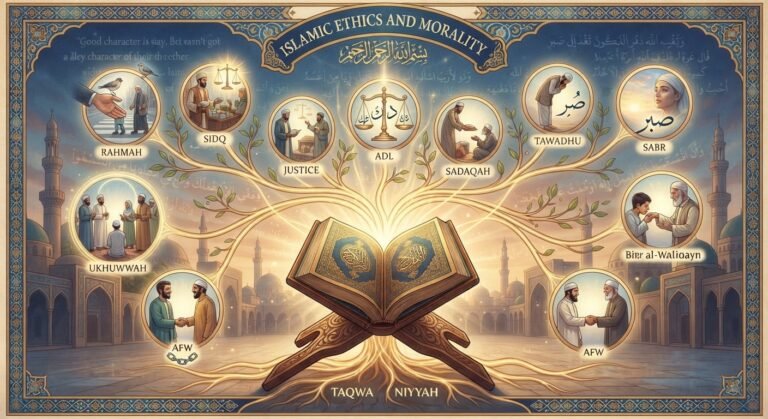
Self-Development: Building a Strong Character
In Islam, the concept of morality extends far beyond individual actions, shaping not just the individual but also the group and society as a whole. It is a complete moral system that provides a universal standard for right and wrong, offering clear guidance on how to live a balanced life. The code of conduct found in Islamic teachings ensures that a person’s character is rooted in proper behavior, aligning with both individual growth and societal values. Our Courses focus on helping individuals understand these principles, guiding them towards moral actions and a life that reflects the teachings of Islam.
Developing a Strong Foundation
Islam’s approach to self-development provides a comprehensive framework for both personal and social transformation. Through authoritative teachings, individuals are encouraged to cultivate good actions while avoiding immoral behaviors. By studying our courses, you’ll gain insights into the right way of living, building a moral foundation that not only elevates your character but also contributes to the collective well-being of society. The Islamic worldview helps distinguish between good and evil, making it clear that our actions on a collective and individual level matter deeply in shaping a better world.
Core Values of Islamic Morality
The Islamic moral system is built on a strong primary creed that emphasizes belief in One God, the Creator and Sustainer of the Universe and all of God’s creation. From an Islamic perspective, the purpose of human life is to live in accordance with the Divine Will, which is clearly outlined in the Glorious Qur’an and the Traditions of the Prophet. Muslims are taught that their actions in this worldly life should aim to bring about harmony, following moral guides that lead to peace both in this life and in the hereafter, ensuring everlasting success. Understanding this, we recognize our role as subjects of God’s creation, and the way we live must reflect this understanding, seeking to fulfill the true purpose of our existence, which is worship and submission to God.
The Key to Virtue and Good Conduct in Islam
The Teachings of the Qur’an on Moral Conduct:
The Glorious Qur’an emphasizes that righteousness goes beyond physical actions; it comes from deep faith in Allah, the Last Day, and His Messengers. True piety involves belief in the unseen, including the Angels, the Book, and accountability on the Day of Judgment. Islam calls for maintaining a strong relation with our kin, orphans, and the needy, and being compassionate to the wayfarer and those in need. It encourages us to spend from our substance and support others, whether through ransom for slaves or acts of charity. Prayer and fulfilling contracts with integrity are seen as part of good conduct. During adversity, we are urged to be steadfast and patient, and to continue upholding these values through times of pain and suffering.
The Qur’an also reminds us that Allah sees not only our actions but our intentions, hearts, and the secrets within. Our moral behavior should reflect Islamic belief and the dedication to virtue, displaying good conduct in all circumstances. In moments of panic or hardship, we are to remain aware of our love for Allah and act with sincerity. If you’re seeking guidance on how to align your life with these teachings, feel free to Contact us. We can help you understand how to live a life of devotion and good conduct, strengthening your relationship with Allah in every situation.
Islam’s Moral Principles: Based on Truth and Reason
Teachings from the Qur’an on Moral Conduct:
The Glorious Qur’an teaches that truth and reason are at the core of Islamic moral principles. It condemns forbidden and shameful deeds, both open and secret, which include sins and trespasses that go against the natural moral sense embedded in every human being. Allah is the only one with the authority to define what is right and wrong, and the Qur’an clearly warns against assigning partners to Him, which is a great sin. In Islam, actions are evaluated based on their alignment with God’s blessing and the pursuit of morality, aiming to elevate the individual’s character and behavior. Every commendable act that enhances this moral sense helps one come closer to attaining Allah’s pleasure.
The Qur’an encourages us to act with virtue, as it appeals to the human intellect and provides clear guidelines for maintaining a noble and uncorrupted heart. These moral principles are not only meant for individuals but also to uplift family and society. By adorning ourselves with Islamic moral principles, we cultivate the noblest virtues, amplifying our innate moral sense. Worship and action go hand in hand in this elevating pursuit of moral excellence, where each step taken is a step closer to pleasing Allah.
The Role of Morality in the Individual’s Life
In Islam, the guiding principle of a Muslim’s behavior is the Qur’an, which calls for virtuous deeds and emphasizes that outward acts of worship should align with internal piety. It teaches that Al `Amal Assalih, or righteous deeds, stem from a profound sense of accountability to God. A Muslim must develop character traits such as piety, humility, and the ability to exercise control over their passions and desires. Islam enjoins people to be humble in their actions, with the primary focus being on virtuous deeds that contribute to a life of moral excellence, which is rooted in a constant awareness of God.
How Islam Teaches Moderation and Charity
Islam teaches us to live in moderation, avoiding excessive attachment to the material world and ephemeral pleasures that can cloud our hearts. Human beings are reminded through the Glorious Qur’an that true prosperity comes from cultivating gratitude and following the guidance of God. Islam encourages us to give charity and perform commendable acts such as Zakah, an obligatory annual charity that helps purify our wealth and keeps our hearts aligned with the truth. Rather than accumulating wealth for vanity, a Muslim is urged to share it, reflecting the qualities of patience and courage even in adversity. Charity strengthens the sound heart, helping individuals and society grow in harmony. The concept of charity in Islam is not just about giving, but about developing a sincere attitude toward others, remembering that true wealth comes from fulfilling these pillars of Islam.
The Role of Morality in Society
In Islam, morality plays a key role in the balance between the individual and society. The fundamental sources of Islamic framework guide us to live in a way that enhances the moral health of both the individual and the larger community. Respecting the rights of others is seen as essential for building a just society. Islam teaches that morally good actions contribute to a healthy, prosperous society, while immorality and corruption lead to decline and harmful consequences for all. By following the injunctions and prohibitions laid out in the Qur’an, people can avoid the causes of immorality and foster a healthy society where everyone’s welfare is prioritized. Morality in this context is not just about personal conduct but about contributing to the collective well-being, helping society flourish in the light of Islam.
The Moral Framework of Islam: A Guide for Every Life Situation
Islam provides a universal moral code that covers every aspect of life, offering guidance on how to conduct ourselves in both private and public matters. Whether in our greetings, international relations, or interactions with others, Islam teaches that morally healthy conduct is key. The Prophet Mohammed, peace be upon him, emphasized the importance of moderation in all actions and words, urging Muslims to actively engage in virtuous behaviors and eschew evil and vice. From controlling anger to speaking justly, Islam encourages individuals to be conscious of their thoughts and actions, whether angry or pleased. The nine commands in the Qur’an guide us to refrain from wrongdoing and contribute to the moral health of society, helping poor and rich alike.
Islam also calls us to reunite with those we may have had disputes with, restoring friendship and harmony. The moral health of society relies on individuals practicing these virtues, no matter their position or wealth. When one refuses to speak in anger or say hurtful words, they reflect the Sustainer’s guidance in their life. Islam teaches to remain silent when necessary and to give only when it is the right action. This admonition ensures that Muslims are always striving to be better, mindful of their moral duties to God and to people, thereby fostering a just, virtuous society.