
Quran Teacher Mauritania
Mauritania holds one of the oldest living traditions of Quran memorization in the world. In towns like Chinguetti, families have preserved Quranic manuscripts for centuries, some kept in private desert libraries that UNESCO now protects as World Heritage sites. That history is part of why so many students, both inside Mauritania and abroad, look for a Quran teacher who can carry that same standard of recitation into an online class.
Whether a student lives in Nouakchott, Nouadhibou, Rosso, Kaédi, Zouerate, Atar, or Kiffa, or is a Mauritanian family settled overseas, online classes now make it possible to learn directly from a qualified tutor without traveling to a physical school.
A Country Built on Quran Memorization
A few facts explain why Quran learning holds such a central place in Mauritanian life.
- Mauritania’s traditional schools, known as mahadra, have taught the Quran under open tents for centuries, relying mainly on listening and memorization rather than written textbooks.
- UNESCO recognized the mahadra system as part of the world’s intangible cultural heritage, describing it as open to everyone regardless of age, gender, or background.
- Chinguetti alone once held around thirty private libraries, and researchers estimate that close to thirty thousand manuscripts remain scattered across roughly three hundred family libraries nationwide.
- Children in many Mauritanian households begin memorizing verses at a very young age, learning correct pronunciation alongside the meaning of what they recite.
Online classes do not replace this tradition. They extend it to families who cannot access a mahadra in person, including students in smaller towns and Mauritanians living abroad who want their children raised with the same grounding.
How the Classes Work
- A new student sends a message on WhatsApp to request a free trial lesson.
- The tutor holds a short assessment to find the student’s current level, whether that is complete beginner, mid Qaida, or already reciting.
- A personal class schedule is set, usually thirty minutes a day, five days a week, at a time that fits the student’s routine.
- Lessons continue one on one, with the tutor tracking progress and adjusting pace as needed.
- Once a course, such as the Noorani Qaida, is finished, the student moves to the next stage, whether that is full recitation, memorization, or translation.
This structure suits busy parents in Nouakchott just as well as it suits a Mauritanian student studying overseas who wants to stay connected to correct Tajweed.
Course Options Available
Every student starts at a different point, so no single course fits everyone. Some begin with the Arabic alphabet, while others already recite and want to move into memorization or meaning. The courses below can be taken one at a time or combined into a full path, based on the student’s goals.
Noorani Qaida
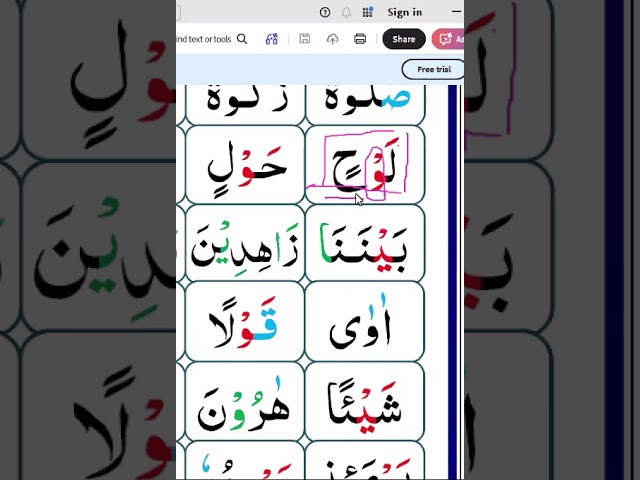
This is where every beginner starts. Students learn the shape and sound of each Arabic letter, then move on to joining letters together, all before attempting full recitation. It is a slow, careful foundation, the same starting point used in traditional Mauritanian teaching, just delivered over a video call instead of under a tent.
Quran Reading with Tajweed
Once the letters are solid, students begin full recitation with Tajweed rules built into every lesson. The tutor listens closely to pronunciation, articulation points, and pauses, correcting small mistakes early so they do not turn into habits later. This is the stage where recitation starts to sound the way it was meant to be heard.
Hifz, or Quran Memorization
Memorization happens in small sections, a few verses at a time, with daily revision to keep older portions fresh. This mirrors how children have been trained for generations in Mauritania’s mahadra schools, though here the schedule is built around the student’s own pace rather than a fixed group setting.
Translation Course
Many students can recite well but have never studied what the words actually mean. This course goes verse by verse, explaining the meaning in plain, simple language, so recitation and understanding grow together instead of staying separate.
Tafseer Course
Tafseer goes further than translation. It looks at the reasons certain verses were revealed and how respected scholars have explained them over time. This course suits students who have already completed translation and want a fuller picture of the Quran’s teachings.
Urdu Language Course
Some families also want their children to read, write, and speak Urdu alongside their Quran studies. This course covers the basics of the language step by step, taught by tutors who can explain each lesson clearly from day one.
Tutors for Every Type of Learner
Not every student needs the same teacher. A young child working through the Qaida benefits from a patient, game based approach. An adult who never learned to read Arabic needs a slower, more structured start. Women and girls who prefer a female tutor can request one for reasons of comfort at home. Families abroad who want lessons conducted in English or Urdu can request a tutor who teaches comfortably in that language, so nothing is lost in translation.
Why a Free Trial Matters
A single trial lesson tells a family more than any description on a website. It shows how the tutor explains a letter sound, how patient they are with a child who struggles, and whether the pace fits the student’s schedule. There is no cost and no obligation attached to this first lesson, and it is the same starting point offered to students in Nouakchott, Dar Naim, Arafat, and every other city served.
Contact us on WhatsApp for trial classes in Mauritania
F.A.Q. GUIDE RELATED TO OUR ONLINE COURSES & CLASSES
Yes. The Noorani Qaida is designed for absolute beginners and moves at the student’s own pace.
Yes. Each student receives a separate one on one session matched to their level, even if siblings or parents are learning at the same time.
Yes. Female tutors are available for girls and women who prefer to learn from one, with scheduling arranged around the family’s routine.
Tajweed adds the rules of pronunciation, letter articulation, and pausing that ensure the Quran is recited the way it has been transmitted for centuries, not just read aloud.
Yes. Students anywhere with a stable internet connection can join, which is common among diaspora families who want their children to keep the same standard of recitation taught at home.
The tutor shares a recommended starting point and course plan, and the family decides whether to continue with a monthly schedule.
Regular classes run five days a week, Monday to Friday, with each session lasting thirty minutes. Students with a busier schedule can also arrange weekend only lessons.
Each child gets a separate one on one session, since progress and pace differ by age. Siblings can be scheduled back to back at times that suit the household.
If You Have Any Questions, Trial Classes & Registration


FEEL FREE TO ASK
Where We Provide Online Quran Classes in Mauritania
Students throughout Mauritania can take part in our online Quran classes right from home, with flexible timing and personal, one on one attention built around each learner’s pace.