
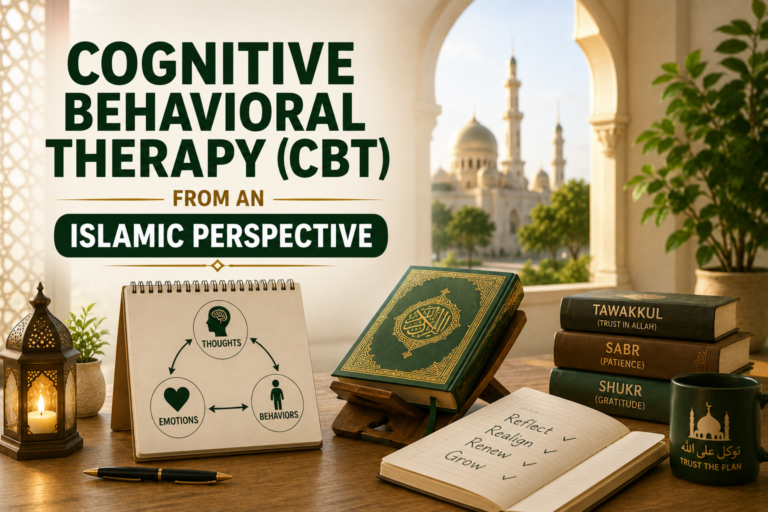
Cognitive Behavioral Therapy (CBT) from an Islamic Perspective
Mental health is an important part of a Muslim’s well-being, and Islam encourages believers to care for both their emotional and spiritual health. Cognitive Behavioral Therapy (CBT) is a widely used psychological approach that helps people recognize negative thought patterns and replace them with healthier, more balanced thinking. When practiced alongside the guidance of the Qur’an and Sunnah, CBT can become a valuable tool for building emotional resilience while strengthening faith. Many Muslims also deepen their understanding of these teachings by learning with a qualified Online Quran Teacher, who helps them apply the lessons of the Qur’an in everyday life.
What Is Cognitive Behavioral Therapy (CBT)?
Cognitive Behavioral Therapy (CBT) is a type of talk therapy that focuses on the connection between thoughts, emotions, and behaviors. Negative thinking can increase stress, anxiety, and sadness, while balanced thinking often leads to healthier emotions and better decisions. CBT teaches practical techniques to identify unhelpful thoughts, challenge them with evidence, and develop positive coping strategies.
Is CBT Compatible with Islam?
Many CBT principles align with Islamic teachings because both encourage self-reflection, patience, and positive action. Islam teaches Muslims to avoid despair, remain hopeful in Allah’s mercy, and face life’s challenges with wisdom and trust. Seeking professional help for mental health is also consistent with Islamic teachings, just as Muslims seek treatment for physical illnesses. CBT does not replace faith; instead, it can complement Islamic values when practiced in a respectful and ethical way.
Islamic Values That Support Emotional Well-Being
Several Islamic principles naturally support the healthy mindset encouraged by CBT.
Sabr (Patience): Responding to hardships with patience helps Muslims manage emotions calmly instead of reacting impulsively.
Tawakkul (Trust in Allah): Muslims are encouraged to make every reasonable effort while trusting Allah with the outcome, reducing excessive worry about the future.
Shukr (Gratitude): Focusing on Allah’s blessings encourages a positive outlook and helps shift attention away from constant negative thinking.
Alongside these values, regularly reading and understanding the Qur’an can strengthen emotional resilience. Many Muslims choose to Learn Quran Online to gain a deeper understanding of Allah’s guidance and apply it during both easy and difficult times.
Applying CBT in Daily Life
CBT becomes most effective when its techniques are practiced consistently. Muslims can begin by identifying negative thoughts, questioning whether they are accurate, and replacing them with balanced, realistic thinking. Alongside these practical steps, regular salah, dua, dhikr (remembrance of Allah), and reflecting on the Qur’an can provide comfort and strengthen emotional resilience. Combining healthy thinking with strong faith helps many Muslims cope with everyday challenges in a positive way.
Benefits of CBT for Muslims
When combined with authentic Islamic guidance, CBT can help Muslims:
Manage stress, anxiety, and negative thinking more effectively.
Build healthier habits and improve relationships.
Develop patience, gratitude, and trust in Allah.
Strengthen emotional resilience during life’s difficulties.
Many families also choose to join Quran Classes Online to improve their understanding of the Qur’an and continue growing in both knowledge and faith.
When Should You Seek Professional Help?
While Islamic teachings offer valuable spiritual guidance, they should not replace professional mental health care. If someone experiences ongoing anxiety, depression, trauma, panic attacks, or other serious mental health concerns, they should seek support from a licensed mental health professional. Islam encourages Muslims to protect their health, and professional treatment can work alongside faith-based practices to support recovery.
Conclusion
Cognitive Behavioral Therapy (CBT) and Islamic teachings share many values, including self-reflection, patience, gratitude, and hope. By combining evidence-based therapy with the guidance of the Qur’an and Sunnah, Muslims can develop healthier thought patterns while strengthening their relationship with Allah.
Along with professional support, continuing to study the Qur’an can provide lasting spiritual comfort and guidance. Whether you are beginning with Noorani Qaida Online or learning from an experienced Online Quran Teacher, regular Qur’an education helps build stronger faith, better character, and greater emotional resilience for everyday life.