
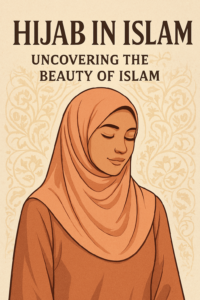
Hijab as Faith and Identity
In Islam, the hijab is a head covering worn by Muslim women as an act of faith, symbolizing modesty, piety, and devotion to Allah. From my years of teaching and community work, I’ve seen how hijab builds a strong identity, rooted in belief, obedience, and Islamic values. It offers protection and safety, reduces unwanted attention, and shifts the focus away from outward appearance toward character, intellect, and inner worth. Rather than limitation, hijab becomes liberation from societal pressures and beauty standards, fostering self-respect, humility, and a deep connection with God.
Modesty Beyond Clothing
Hijab is not just clothing; the practice extends beyond fabric to include modest conduct, ethical behavior, and everyday choices. It is a direct commandment found in the Quran, reflecting honor, dignity, and a shared sense of unity within the global Muslim community. True hijab encourages haya (inner modesty), shaping how one speaks, acts, and carries themselves in public and private life.
Strength, Confidence, and Empowerment
In real life, I’ve watched women grow in confidence when they understand hijab as freedom from objectification, not restriction. It allows women to be judged for their actions, mind, and heart, not physical beauty. Hijab nurtures a spiritual relationship that grows deeper with intention, patience, and purpose, helping women feel grounded even when faced with negative media narratives.
Teaching Hijab in the Modern World
As a parent and educator, I believe conversations about hijab should begin at home, then be supported through proper learning. Structured guidance makes a real difference, especially for younger learners navigating modern challenges. That’s why programs offering Our Courses, a flexible Monthly fee, and a Free trail help families learn in a supportive and practical way, making hijab a source of peace, strength, and clarity in everyday life.