
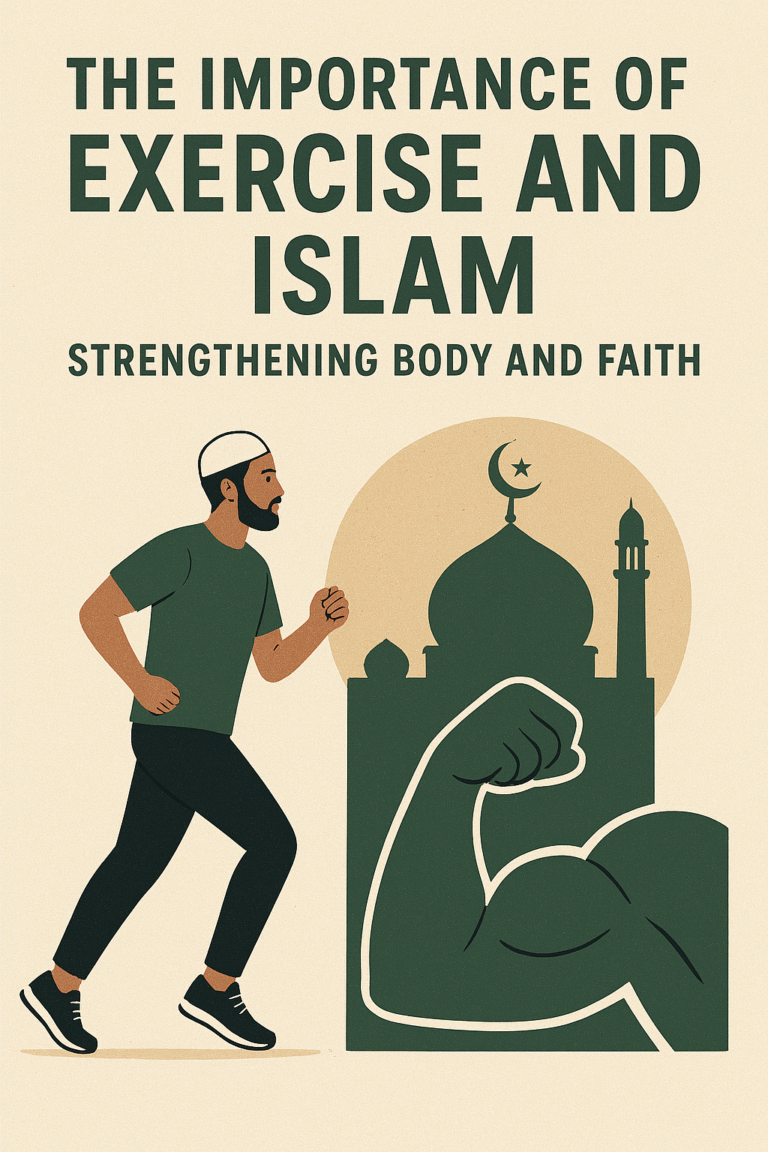
You can honor your body and your faith by making regular exercise part of your life. Exercise supports your ability to worship, care for others, and stay mentally sharp, so staying active aligns with Islamic teachings and the Prophet’s practical example.
This post will show how Islamic guidance and the Sunnah encourage physical activity, explain benefits for body, mind, and spirit, and offer simple ways to add movement to a busy, modern Muslim life. Start here to learn clear, faith-aligned steps you can use today.
Islamic Teachings on Physical Health and Exercise
You should care for your body as a practical part of your faith. The points below show how scripture, duty, and the idea of trust shape specific actions: balanced eating, regular movement, and mindful moderation.
Quranic Principles of Health and Moderation
The Quran stresses balance and avoiding excess. Verses encourage eating lawful, wholesome food and not wasting resources. You can follow this by choosing nutritious food, avoiding overeating, and keeping regular meal times.
Scripture links physical care to spiritual duty. The Quranic idea of moderation (wasatiyyah) applies to sleep, work, and exercise. Moderate exercise supports daily prayers and other duties without harming you.
Practical actions include: pick whole foods, limit processed foods, hydrate, and mix cardio with strength work. These choices reflect Islamic principles and help you keep steady energy and a clear mind.
Exercise as a Divine Trust and Responsibility
Islam teaches that your body is a trust (amanah) from Allah, so you must protect it. That means you should prevent harm, treat illness promptly, and maintain fitness to meet worship and family responsibilities.
Exercise becomes an act of responsibility when you aim to stay healthy for prayer, fasting, charity work, and community roles. Simple routines—walking, swimming, or home strength exercises—help you fulfill daily obligations.
You must avoid extreme workouts that injure you. Caring for your body also includes rest, seeking medical care when needed, and using exercise as part of a balanced lifestyle.
The Body in Islam: Amanah from Allah
Seeing your body as an amanah changes daily choices. Gratitude shows through habits: eating nutritious meals, exercising regularly, and avoiding harmful substances. These habits honor the trust you were given.
Treat physical well-being as linked to mental and spiritual health. Regular movement improves mood and focus, which helps your prayer and study. Use practical steps: schedule activity, eat balanced meals, and check health markers like weight and blood pressure.
You should act with intention. When you exercise to preserve strength for worship and service, your actions match Islamic teachings about stewardship and well-being.
The Example of Prophet Muhammad: Physical Activity in Sunnah
The Prophet modeled physical habits that build strength, skill, and steady character. You can learn practical activities and attitudes from his life that apply to daily fitness and spiritual focus.
Swimming, Archery, and Horseback Riding
The Sunnah records the Prophet encouraging swimming, archery, and horsemanship as useful skills. You should see these activities as both training and useful preparation: swimming builds full-body strength and safety around water; archery trains focus, fine motor control, and steady breathing; horseback riding strengthens core muscles, balance, and endurance. Historical accounts note the Companions practiced these skills and sometimes trained near places like the plains and hills around Medina and Uhud. If you take lessons, aim for gradual progress, practice technique, and follow safety steps like supervision for children learning to swim. These pursuits also taught readiness and discipline for the community in the Prophet’s time.
Walking and Brisk Walking in Daily Life
The Prophet walked often during travel and daily life; walking appears in many reports as a routine habit. You can add brisk walking to your day to improve heart health, burn calories, and clear your mind for prayer and reflection. Walk at a pace that raises your heart rate but still lets you speak in short sentences. Use hills, steps, or packed ground for more effort, similar to the slopes near Mount Uhud where companions moved during campaigns and travel. Even short, frequent walks between chores, travel, or after meals offer steady benefit and fit into religious routines without extra time.
Wrestling, Hiking, and Physical Play
Traditional physical play such as wrestling and group hikes appears in early Muslim life and among the Prophet’s companions. You can use wrestling-style drills for functional strength, safe takedown practice, and body control, always with instruction and clear boundaries to avoid injury. Hiking builds leg strength, balance, and endurance while exposing you to varied terrain—useful training if you travel or move across uneven ground. Encourage children’s natural play like running, climbing, and supervised swimming to build fitness, coordination, and teamwork while keeping an eye on safety and modesty norms.
Discipline, Perseverance, and Self-Control
The Prophet emphasized inner qualities—patience, perseverance, and self-discipline—as part of strength. You should pair physical routines with clear goals, scheduled practice, and steady progress rather than sporadic effort. Track small wins, accept gradual setbacks, and keep returning to practice; that reflects perseverance taught in Sunnah stories. Self-control matters for rest, food, and avoiding injury: pace training, eat balanced meals, and rest properly. These habits help you sustain fitness and support your capacity to perform worship, serve others, and meet daily responsibilities.
Physical, Mental, and Spiritual Benefits of Exercise in Islam
Exercise helps your body stay strong, your mind stay calm, and your faith stay active. The following parts explain how physical activity supports worship, mental health, and community life.
Physical Strength, Vitality, and Immunity
Physical exercise builds muscle strength and improves muscle tone, which helps you perform daily tasks and acts of worship like standing, bowing, and prostrating during salah. Regular strength training and bodyweight exercises increase bone density and flexibility, lowering the risk of injury during Hajj or long periods of prayer.
Cardio workouts and brisk walking improve blood flow and lower blood pressure. That reduces risk of heart disease and diabetes and boosts overall physical vitality. Moderate, consistent activity also supports immune function, helping you stay healthy during fasting months like Ramadan when energy and recovery matter more.
Practical tips:
- Aim for strength work 2–3 times per week.
- Add daily brisk walks or short cardio sessions.
- Keep flexibility routines to protect joints used in prayer positions.
Mental Health and Emotional Well-being
Exercise releases endorphins and other mood-regulating chemicals that lower stress, anxiety, and mild depression. When you feel physically stronger, your confidence and focus improve, which helps you maintain daily prayers and spiritual routines.
Physical activity also sharpens concentration and sleep quality. Better sleep and clearer thinking make it easier to remember Quranic study, face emotional challenges, and keep a steady routine during Ramadan or busy days. Use simple habits like short walks after suhoor or light stretching before sleep to steady mood and energy.
Simple practices:
- Walk 20–30 minutes after meals to aid digestion and mood.
- Use short exercise breaks to reset during long study or work periods.
- Try breathing and stretching before salah to calm your mind.
Spiritual Growth, Worship, and Endurance
Keeping your body fit supports worship. Good physical condition helps you perform the five daily prayers with ease, stand longer in optional prayers, and complete Hajj rituals that require walking and stamina. The Prophet’s example of physical activity—walking, swimming, archery—shows movement can align with spiritual life.
Exercise builds patience and endurance, traits praised in the Quran and Sunnah. Training your body teaches discipline that carries into fasting, prayer, and charitable work. Avoid exercising to show off; instead, make fitness part of fulfilling the trust to care for your body.
Practical alignment:
- Intend fitness for worship readiness, not for pride.
- Plan workouts so they don’t break fasting rules during Ramadan.
- Use physical training to build endurance for communal duties and travel.
Community, Ummah, and Team Sports
Team sports and group exercise strengthen social ties within the ummah. Playing sports teaches cooperation, fair play, and mutual support. These settings also provide chances to help others, visit the sick, or organize charity sports events that benefit the community.
Group activity encourages consistency. You’re more likely to keep exercising when teammates or family join you. Sports also create safe spaces for women and men to train with modesty in mind, improving physical activity access across the community.
Community actions:
- Form walking groups or mixed-age sports teams.
- Use mosque halls for women-only fitness classes where needed.
- Run charity runs or sports days to combine fitness with community service.
Incorporating Exercise into the Modern Muslim Lifestyle
You can fit regular activity into prayer times, family life, and work schedules. Aim for short, effective sessions like brisk walks, strength moves, or timed play that build fitness without disrupting worship or duties.
Integrating Exercise with Worship and Daily Routines
Use prayer times as natural anchors. Do light stretching after wudu or before Fajr to wake your body, and take a brisk 10–15 minute walk after Dhuhr or Asr when possible. Combine mosque visits with walking or cycling instead of driving if distance allows.
Use the five daily prayers to break long sitting spells. Stand, march in place, or do calf raises between Salat to keep blood flowing. On Fridays, arrive early and park farther away to add steps.
When you travel for Hajj or Umrah, practice walking with a small pack to build stamina safely. For timed acts like racing or interval training, schedule them on non-fasting days or after Iftar so you maintain energy for focused workouts.
Advice for All Ages: Children, Adults, and Elders
For children, encourage play that builds coordination: running games, simple races, or supervised archery-style target throws. Keep sessions short and fun to build lifelong habits.
Adults should aim for 150 minutes a week of moderate aerobic activity—brisk walking counts—plus two sessions of strength work. Fit these into commutes, lunch breaks, or family time. Use a pedometer or phone to track progress.
Elders need low-impact options: walking, chair exercises, water aerobics, and balance drills. Match intensity to health conditions and consult a doctor before starting new routines. Small, regular efforts help elders maintain mobility for prayer and daily life.
Guidance on Moderation, Safety, and Consistency
Balance intensity with recovery to avoid injury. If you race or do high-intensity intervals, include warm-ups, cool-downs, and at least one rest day each week. Hydrate and eat appropriately, especially around Ramadan; plan higher-intensity sessions after Iftar.
Use proper footwear and safe surfaces for brisk walks and runs. If you have chronic conditions, get medical clearance and adapt moves—walking and resistance bands are good options. Track consistency with a simple plan: 3–4 set days, 2 strength days, and daily short walks tied to prayer times.
Keep exercise sustainable: choose activities you enjoy, set small weekly targets, and involve family or community to stay motivated.