
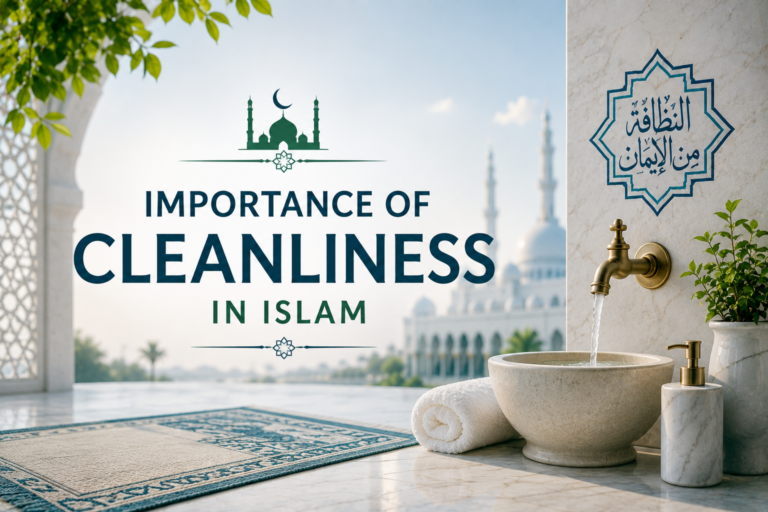
Importance of Cleanliness in Islam
Have you ever noticed how a clean space instantly brings peace to your heart? In Islam, cleanliness goes far beyond appearance — it is deeply tied to faith, worship, and spiritual elevation. The importance of cleanliness in Islam is emphasized in both the Quran and Sunnah as a fundamental part of a believer’s life.
From ritual purification (taharah) before salah to maintaining a tidy home and body, Islam links physical purity directly to spiritual purity. As someone who has personally experienced the calm and focus that comes from starting the day with proper wudu and a clean environment, I’ve seen how small consistent habits create lasting barakah in daily life.
Let’s explore why cleanliness holds such a central place in our deen and how we can apply it practically.
What Does Islam Say About Cleanliness?
Cleanliness in Islam, known as taharah or tuhur, encompasses both outer physical hygiene and inner spiritual purity. The Prophet Muhammad ﷺ beautifully summarized its significance:
“Cleanliness is half of faith.” (Sahih Muslim 223)
This hadith highlights that purification is not optional but an essential half of our iman (faith).
The Quran reinforces this love for purity:
- “Indeed, Allah loves those who are constantly repentant and loves those who purify themselves.” (Surah Al-Baqarah 2:222)
- “Truly, Allah loves those who turn to Him constantly and He loves those who keep themselves pure and clean.” (Surah At-Tawbah 9:108)
Allah does not intend hardship but purification and gratitude (Surah Al-Ma’idah 5:6). Cleanliness prepares us for salah, protects our health, and reflects gratitude for the blessings of body and surroundings.
Types of Cleanliness in Islam
Islam addresses cleanliness in three interconnected dimensions:
- Spiritual Purity (Tazkiyah of the Heart) Removing envy, arrogance, hatred, and sins from the heart. A clean heart leads to sincere worship and good character.
- Ritual Purity (Taharah for Worship)
- Wudu (Ablution): Required before each of the five daily prayers. It washes away minor impurities and sins.
- Ghusl (Full Bath): Obligatory after major impurities (e.g., janabah, menstruation). The Prophet ﷺ recommended bathing at least once a week.
- Physical and Environmental Cleanliness Keeping the body, clothes, home, and surroundings free from dirt, filth (najasah), and clutter.
Related concepts include fitrah (natural disposition) practices such as clipping nails, trimming the mustache, removing underarm and pubic hair, and circumcision.
How Social Media Steals Your Barakah – Here’s the Sunnah Fix (No, wait — for this topic)
Practical Benefits of Cleanliness in Islam
- Health Protection: Regular handwashing, miswak for oral hygiene, and proper toilet etiquette prevent illness.
- Better Worship: Clean body and clothes allow full concentration in salah.
- Barakah in Life: A tidy home and pure environment invite peace and blessings.
- Social Harmony: Cleanliness earns respect and reflects good character.
In my own routine and observations within Muslim communities, those who prioritize daily wudu, weekly deep cleaning, and fitrah grooming report greater mental clarity, fewer distractions in prayer, and a stronger sense of discipline.
Sunnah Practices for Maintaining Cleanliness
The Prophet ﷺ provided detailed guidance that remains practical today:
1. Personal Hygiene Sunnahs
- Use miswak (or toothbrush) before prayers — it cleanses the mouth and pleases Allah.
- Wash hands upon waking, before and after eating, and after using the toilet.
- Trim nails regularly and remove unwanted hair as part of fitrah.
- Wash private parts thoroughly with water after using the toilet (istinja).
2. Home and Environmental Cleanliness
- Keep your living space tidy and free from clutter.
- Avoid relieving oneself in pathways, shaded areas, or water sources (as it invites curses).
- Remove impurities promptly from clothes, body, or floor.
3. Step-by-Step Daily Routine for Taharah
- Upon waking: Say Bismillah, wash hands, rinse mouth and nose.
- Perform wudu properly before each salah.
- Shower (ghusl) on Fridays or after major impurities.
- Wear clean clothes and maintain good grooming.
- End the day with istighfar and reflection on inner purity.
Start small: Commit to perfecting your wudu for one week and notice the difference in your salah and mood.
Real-Life Impact: Stories of Transformation
Many Muslims share how embracing these teachings changed their lives. One brother who struggled with inconsistent prayer found that establishing a strict wudu and grooming routine brought discipline that spilled into other areas of deen. Families that implement weekly cleaning days report calmer homes and stronger bonds.
In today’s busy world, these Sunnah habits act as anchors, reminding us that cleanliness is worship.
Conclusion: Make Cleanliness a Way of Life
The importance of cleanliness in Islam lies in its holistic approach — it purifies the body, heart, home, and society. By following the Quran and Sunnah, we not only fulfill a religious duty but also invite Allah’s love, peace, and barakah into our lives.
Begin today with sincere intention. A small act like proper handwashing or a tidy prayer corner can lead to immense reward. May Allah make us among those He loves — the constantly repentant and those who purify themselves. Ameen. For more information Conatact us.