
Quran Teacher Pakistan

Finding a Quran teacher Pakistan families can trust no longer means waiting for a qari sahib or driving across town. Quran Pak Teacher brings a Hafiz or Hafiza into your home through live one to one lessons in Urdu or English. Each lesson is 30 minutes, teachers are available around the clock from Monday to Friday, and your first three classes cost nothing, whether you live in Johar Town, Lahore or Gulshan e Iqbal, Karachi.
Our Online Quran Academy in Lahore
Islamic Quran Academy is based in Bogiwal, Lahore. We are not a tutoring marketplace where Quran sits next to maths and chemistry. Our teachers teach the Quran and nothing else. All of them are Huffaz, our senior teachers have spent 10 years in Quran teaching, and lessons are explained in the Urdu your family speaks at home.
Home Qari, Madrasa or Online Classes?
Pakistani parents usually compare three options. The mohalla masjid or madrasa keeps children close to community, though lessons happen in a group and the route may mean traffic. A qari sahib at home feels familiar, yet classes stop when he is ill or travelling. Online lessons put one teacher with one child for the full half hour, and you can listen from the next chair. Plenty of families combine them, keeping the masjid for community and adding online lessons for daily reading.
Help with the School Nazra Quran Subject
Quran is a compulsory school subject in Pakistan. The Punjab Compulsory Teaching of the Holy Quran Act 2018 requires Naazrah Quran in grades 1 to 5 and translation in grades 6 to 12, so students complete the whole Quran by grade 12. A federal law from 2017 sets the same plan for every school in Islamabad and all federal institutions. For grade 1, the Punjab Curriculum and Textbook Board (PCTB) publishes a Tajweed Qaida textbook. Regular reading at home helps children keep pace with this subject.
Our Quran Courses
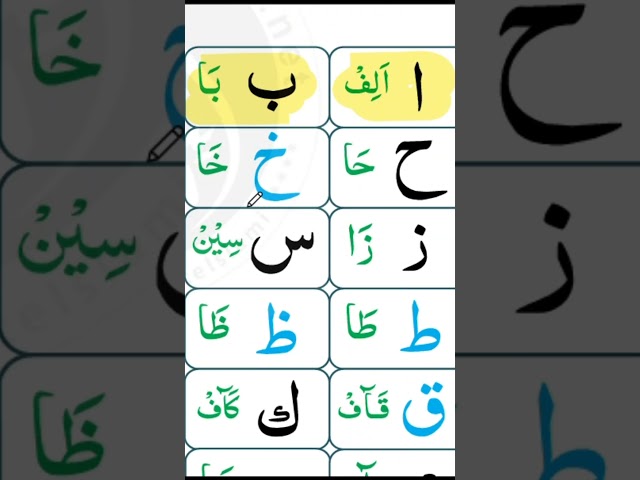
Noorani Qaida Online
Your child learns to recognise and pronounce every Arabic letter, joins letters into words, and practises harakat, tanween, sukoon and shaddah. It builds the same reading skills a grade 1 student needs for school Qaida, and grown adults who never learned start here too.
Quran Reading with Tajweed
In Surah Al Muzzammil (73:4), Allah commands that the Quran be recited slowly and clearly, with tarteel. This course builds exactly that habit. Students read from the Indo Pak Mushaf in Hafs an Asim, the recitation of masajid across Pakistan, while the teacher listens line by line. Rules covered include Izhar, Idgham, Iqlab, Ikhfa, Madd and Qalqalah.
Quran Memorization Course (Hifz)
Many families believe Hifz means leaving school for a madrasa. Online, a child can memorise a few lines each day after school instead. The daily cycle of sabaq, sabqi and manzil keeps new and old portions strong, usually starting with Juz Amma.
Quran Translation Course (Tarjuma)
Urdu borrows many words from Arabic, which helps Pakistani students recognise meanings as they study. Lessons begin with the surahs your child already recites in namaz and support the translation subject taught from grade 6.
Quran Tafseer Online
If you have ever sat in a dars at your local masjid, you know how a scholar opens up the story behind a verse. Tafseer lessons do the same privately, explaining the context of each passage and the guidance it gives, once students know the basic translation.
Learn Urdu Online
Children in English medium schools who find Urdu reading hard can build confidence here.
Online Quran Classes for Kids, Beginners and Adults
A half hour lesson slots in easily between school, evening tuition and homework, so children keep a steady daily routine. How quickly a child reads fluently depends on how regularly they attend and revise. Grown men and women who read the Quran but never learned Tajweed properly often feel shy correcting it in front of others. A private lesson on a phone after office hours, or late at night, removes that hesitation, and complete beginners start from the very first letter.
Female Quran Teacher Online
Mothers who prefer a Hafiza for their daughters can request one when booking. Women can also study for themselves at a quiet hour while children are at school.
Monthly Fee Plan
Every plan covers 20 one to one lessons of 30 minutes, Monday to Friday. Home tutors across Pakistan usually charge by the hour, so one fixed monthly plan is simpler to budget. If a child needs a little longer, a lesson can run to 40 minutes, and missed lessons can be made up. Send us a WhatsApp message for the current fee, or see our fee plan and refund policy.
Class Timings
Our teachers work day and night shifts in Lahore, so any hour from Monday to Friday is open, though weekends are off. Since everyone is on Pakistan Standard Time, you never convert anything. Popular slots fall after Asr, after Isha, and in Ramadan after iftar or taraweeh. When load shedding or a broadband cut hits, switch to a phone on mobile data or ask for the lesson to be rescheduled.
Safe Learning at Home
Your child studies in a room you choose at home, with no travel involved. Only your child and the teacher are in the lesson, and you are welcome to sit in. Our privacy policy explains how your details are handled.
See Our Teaching First
Before booking, watch real lessons with young learners on our YouTube channel, Islamic Quran Academy Online, and read parent comments on our feedback page.
Book Three Free Trial Classes
Choosing a Quran teacher Pakistan wide starts with a short WhatsApp message. Share the learner’s age, current level and a time that suits your family, and we will arrange three free lessons with a teacher who fits. Get in touch here.
Contact us on WhatsApp for trial classes in Pakistan
F.A.Q. GUIDE RELATED TO OUR ONLINE COURSES & CLASSES
The monthly fee is [add PKR fee] for 20 lessons of 30 minutes, after three free trial classes.
You meet the teacher, your child’s reading level is checked, and you can try different times before paying.
Yes. Tell us when booking and a female teacher will be arranged.
Yes. Daily reading practice supports Naazrah Quran in grades 1 to 5, and Tarjuma lessons support translation from grade 6.
Yes. Online Hifz lets children memorise a small portion daily after school hours.
Lessons work in any city or village in Pakistan with a phone, tablet or laptop and internet.
Rejoin on mobile data from a phone, or ask for a replacement lesson.
Yes. Every lesson can be explained in Urdu, with English available for children who prefer it.
If You Have Any Questions, Trial Classes & Registration



FEEL FREE TO ASK
Where We Provide Online Quran Classes
School, homework, and busy evenings shouldn’t come between your child and the Quran, Pakistani families are choosing flexible one-to-one online classes at times that suit them.